Where Field Research Meets Community for Public Good.
Most grassroots and nontraditional innovators are trapped in economic leakage that siphons value out of their communities. Empowered Innovation Alliance (EIA) conducts dedicated field R&D on economic absorption, transforming social enterprise into engines of sustainability and community equity that build durable community wealth and systemic resilience.
Trace Residue Record 01: Janice Rooths, MBA acquired three original works at our San Diego launch. See the record →
Program

Yes, if you believe systemic innovation requires structural economic retention, not temporary charity.
Economic Leakage Suffocates Grassroots Innovation. We Prototype the Remedy.
Grassroots and creative innovators generate enormous cultural, social, and commercial value, yet structural economic leakage drains wealth away from their local ecosystems. EIA researches and builds economic absorption models that retain and recirculate value to turn fragile initiatives into sovereign community enterprises.
The Shift from Extraction to Structural Retention
Current State: Economic Leakage
Outside grants and temporary subsidies enter, but capital quickly escapes to external platforms, landlords, and intermediaries. Local innovators remain underfunded and exhausted.
EIA Solution: Economic Absorption
Designing circular community supply chains, cooperative technology platforms, new sector career development and shared equity infrastructure that retains revenue inside the operating community.
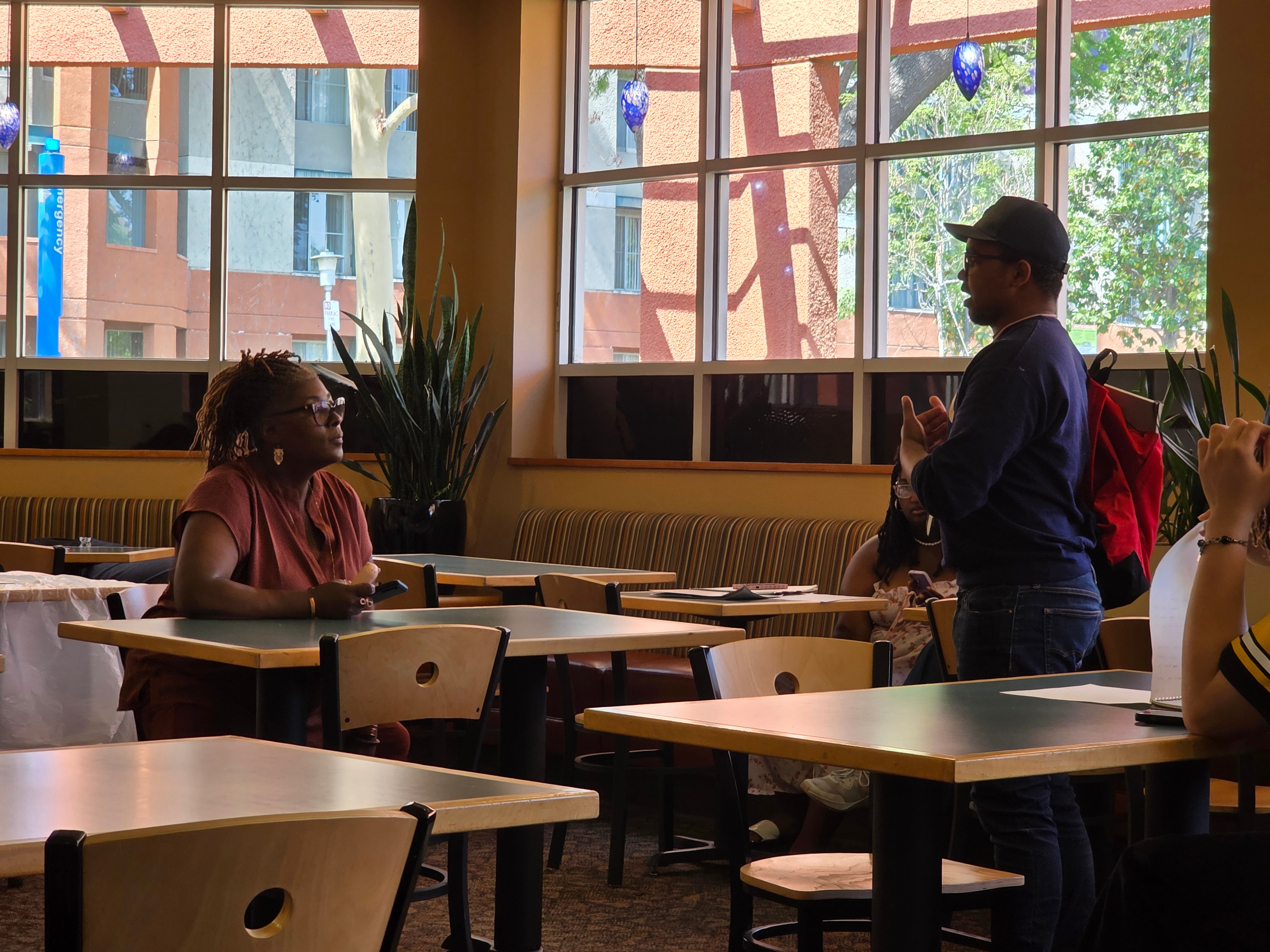
Transforming prototyping pathways into self-sustaining enterprise equity that builds multi-generational community assets.
How We Bridge Inquiry to Tangible Community Wealth
Map invisible leakage points in creator economies
Deploy live Demonstration Programs (Sustainable Fashion)
Convene leaders at Roundtable & Conference to institutionalize
Where Does Systemic Friction Meet Your Mission?
Click your stakeholder profile below to reveal EIA’s systemic remedy, actionable pathway, and direct next step.
Grassroots Innovators & Ethical Makers
Your Systemic Friction: Extractive platforms and supply chains drain economic value away from creators, while repetitive grant cycles foster dependency rather than equity.
EIA’s Systemic Remedy: The Sustainable Fashion Ecosystem Project demonstration program provides cooperative infrastructure, shared tech platforms, and community economic retention mechanisms.
Explore Demonstration ProgramImpact Philanthropists & Family Foundations
Your Systemic Friction: Frustration with conventional grantmaking that subsidizes recurring symptoms without building systemic retention or durable community wealth.
EIA’s Systemic Remedy: Tax-deductible contributions underwrite pioneering field R&D on economic absorption and transforming social enterprise into engines of sustainability and community equity that build durable community wealth and systemic resilience.
Donate Tax-Deductible Capital via GivebutterEnterprise, Research & Finance Leaders
Your Systemic Friction: Siloed corporate ESG initiatives that fail to engage grassroots community realities or translate high-level strategies into real-world prototypes.
EIA’s Systemic Remedy: Designing Resilience Roundtable conversational forums and the Social Innovation Conference bring cross-sector leaders together to co-design and operationalize systemic prototypes.
Connect with Convenings & CommitteesCause-Motivated Collectors & Vanguard Patrons
Your Systemic Friction: Traditional art markets treat art as speculative decoration, disconnecting acquisitions from living social inquiry, historical crisis, or grassroots transformation.
EIA’s Systemic Remedy: The Trace Residue Benefit Auction offers original works on paper with crisis-tested provenance, practicing radical inclusion (5-5 starting bids) and major impact patron tiers.
Browse Auction Lots on Givebutter See Collector Record 01Volunteers, Advocates & Community Champions
Your Systemic Friction: Wanting to contribute time, talents, and community energy toward systemic equity and economic absorption without getting lost in bureaucratic silos or superficial volunteer tasks.
EIA’s Systemic Remedy: Direct community participation across our demonstration programs, convenings, field research initiatives, and benefit auction operations—connecting your hands-on energy to living social innovation.
Complete Volunteer Interest Form →Grassroots Innovators
Shared tech & cooperative networks that retain community value.
Join Demonstration ProgramImpact Philanthropists
Catalytic 501(c)(3) capital that builds systemic economic absorption.
Donate via GivebutterEnterprise & Finance
Designing Resilience Roundtable & Social Innovation Conference.
Join Roundtable ForumsVanguard Patrons
Acquiring original Trace Residue works with crisis-tested provenance.
Explore Art AuctionCommunity Allies
Hands-on field support, convening assistance, and demonstration advocacy.
Complete Volunteer Form →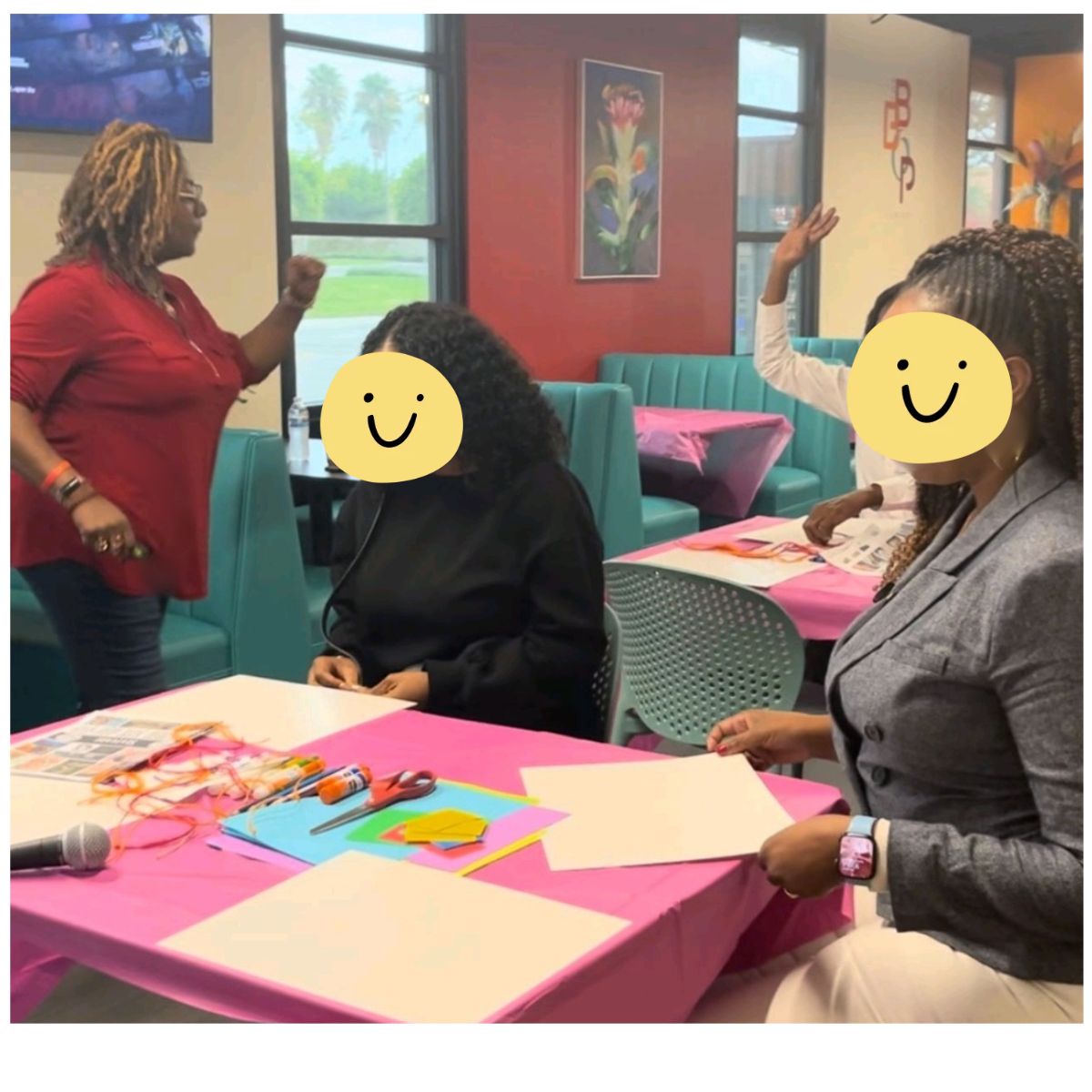
The Sustainable Fashion Ecosystem Project
To test and prove economic absorption in the real world, EIA launched the Sustainable Fashion Ecosystem Project as our primary Demonstration Program. We are operationalizing three concrete tracks:
01. Develop Cooperative Ecosystem
Convening independent designers, sustainable textile artisans, and regional makers into an aligned cooperative network that shares capacity and mitigates overhead.
Objective: Transforms fragmented creators into a resilient, self-reinforcing collective economy that resists corporate displacement.
02. Deliver Tech Platform
Collaborative InfrastructureA shared digital platform connecting nontraditional creators and sustainable fashion innovators to expand market reach, coordinate fair distribution, and retain economic value directly within community hands.
Objective: Transforms fragmented grassroots collaboration into collective economic resilience without compromising creator autonomy.
03. Leverage Economic Leakage Opportunities
Capital RetentionSystemically mapping regional supply chains to identify where economic capital drains away from grassroots creators, redirecting procurement, material cycling, and enterprise value into community-owned social enterprises.
Objective: Converts systemic economic vulnerability into sustainable, circulating local wealth and generational community equity.
Where Research Engages Community for Public Good.
EIA convenes partners to collaborate on R&D to advance social innovation, bridging grassroots lived experience, cross-sector leadership, and systemic field prototyping.
Designing Resilience Roundtable
High-impact conversational forums and planning committees convening leaders across finance, research, creative sectors, enterprise, equity, and social justice. This is where research engages community for public good.
Pioneering R&D on Economic Absorption: Dedicated field research exploring economic absorption as a systemic remedy for the economic leakage that suffocates grassroots and nontraditional innovators seeking to advance social innovation.
Convenes partners who actively collaborate on shared R&D, test economic retention hypotheses, and co-design structural remedies for community resilience.
Social Innovation Conference
Convening multi-disciplinary changemakers to explore ideas and opportunities to operationalize systemic prototypes, share research results, project impacts, highlight wins, and spotlight.
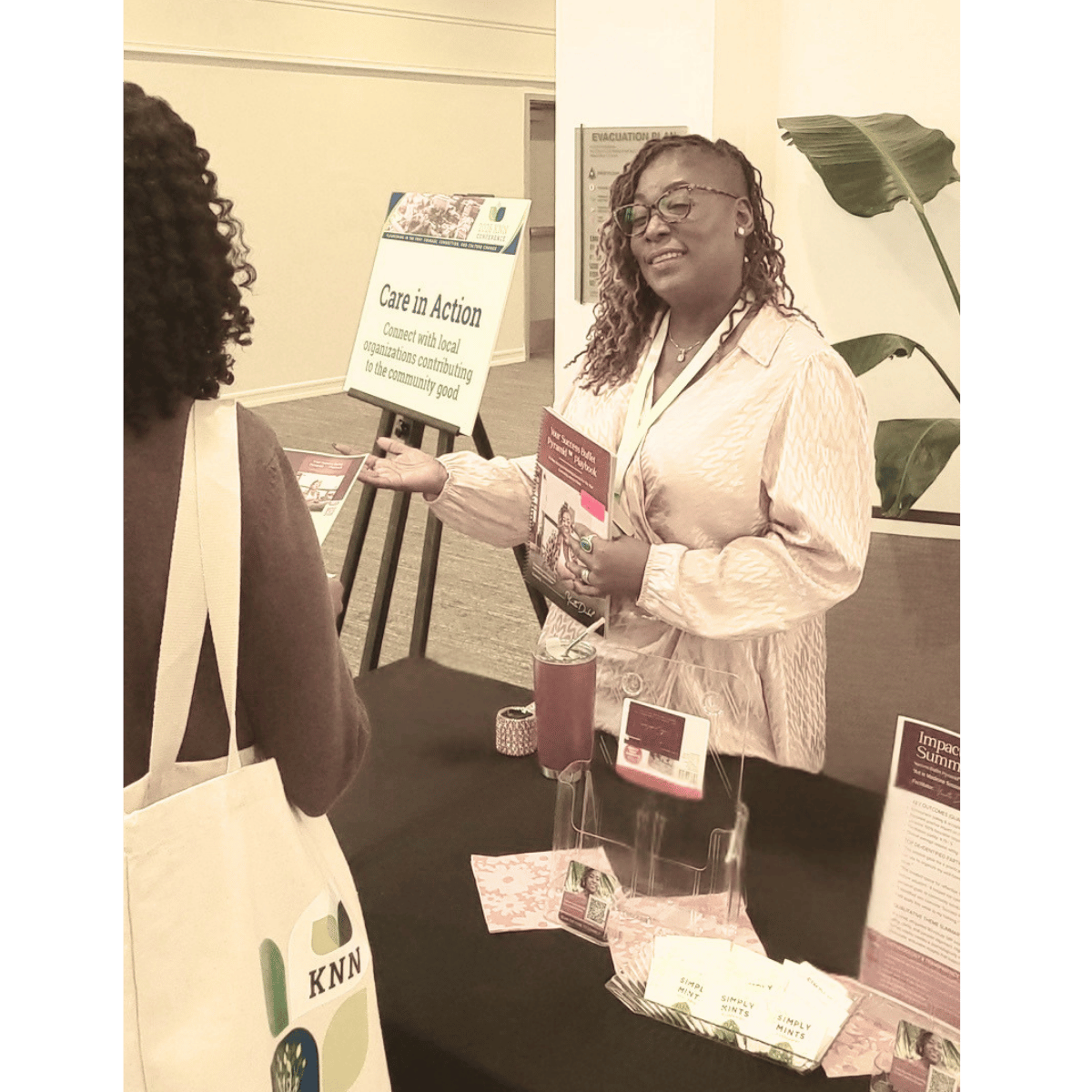
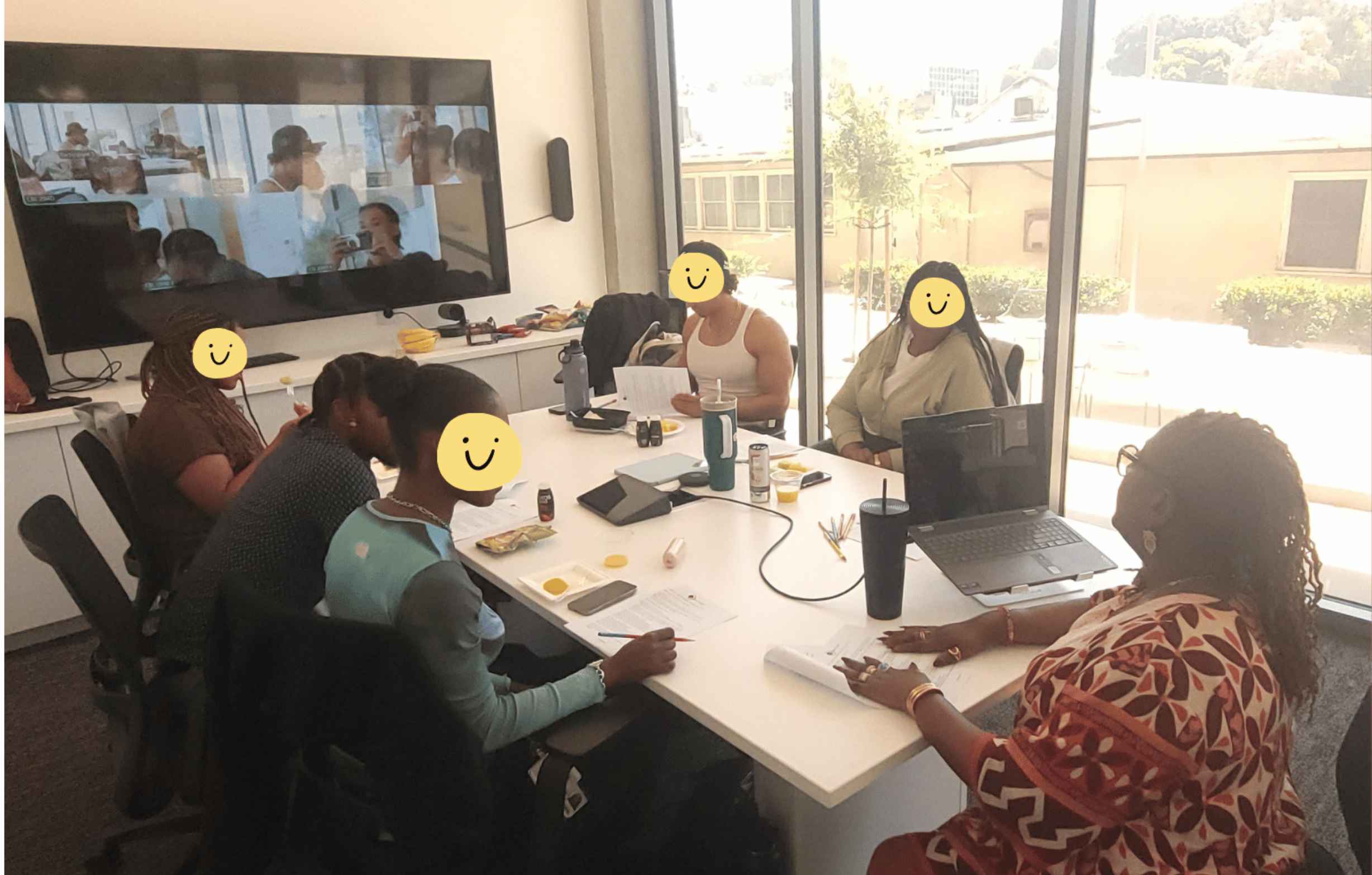
Authentic Social Praxis Framework: Synchronicity, Internal Capacity, Public Good, Healing-Centered Trust.
Operationalizing Yvette Dubel’s Social Praxis.
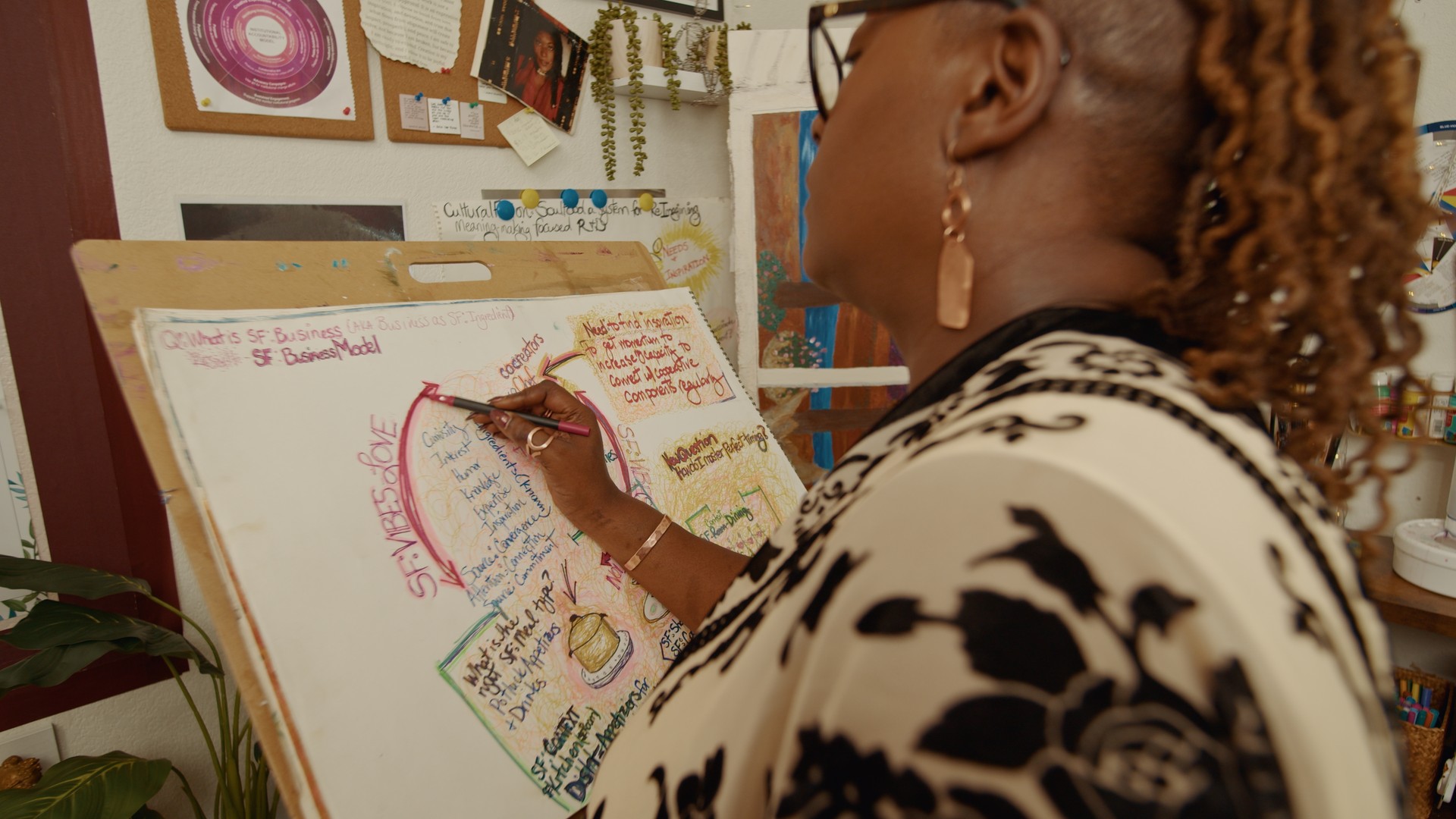
EIA serves as the nonprofit institutional vehicle for operationalizing Yvette Dubel’s 20+ years of Artist-Researcher R&D and social praxis:
Qualitative intake, assessing transition stage, aligning mission resonance, and recognizing community readiness.
30-minute strategic alignment with Yvette Dubel, evaluating systemic leakage, and surfacing immediate actionable clarity.
Healing-centered trust-building, defining collaborative benchmarks, and establishing mutual accountability.
Moving into co-creation, enterprise advisory, or community prototyping where systemic impact is explored and institutionalized.
Repair is Art. And Resilience Can Be Designed.
The Trace Residue auction directly funds EIA’s economic-absorption R&D and our Sustainable Fashion pilot. Born when Yvette Dubel used her Empowered Innovation System™ during the acute distress of regional ICE raids, speed traps coordinated with ICE vans, and military tanks on regional interstates and freeways, this crisis-tested series transformed trauma into a disciplined conceptual laboratory.
Radical Inclusion & Collector Access:
Unique originals (mixed media on paper, ~13 inches; no editions). In honor of healing-centered practice, starting bids are set at an accessible $35 – $55 so anyone can own original art, alongside “Bid or Buy Now” and optional “Suggested Major Impact Bids” for institutional patrons.
Not sure what a Trace Residue acquisition looks like in practice? See Collector Record 01 →
*Notice: Images on this site document studio research and community practice. Live auction lot photographs, conditions, and bidding live exclusively on Givebutter.
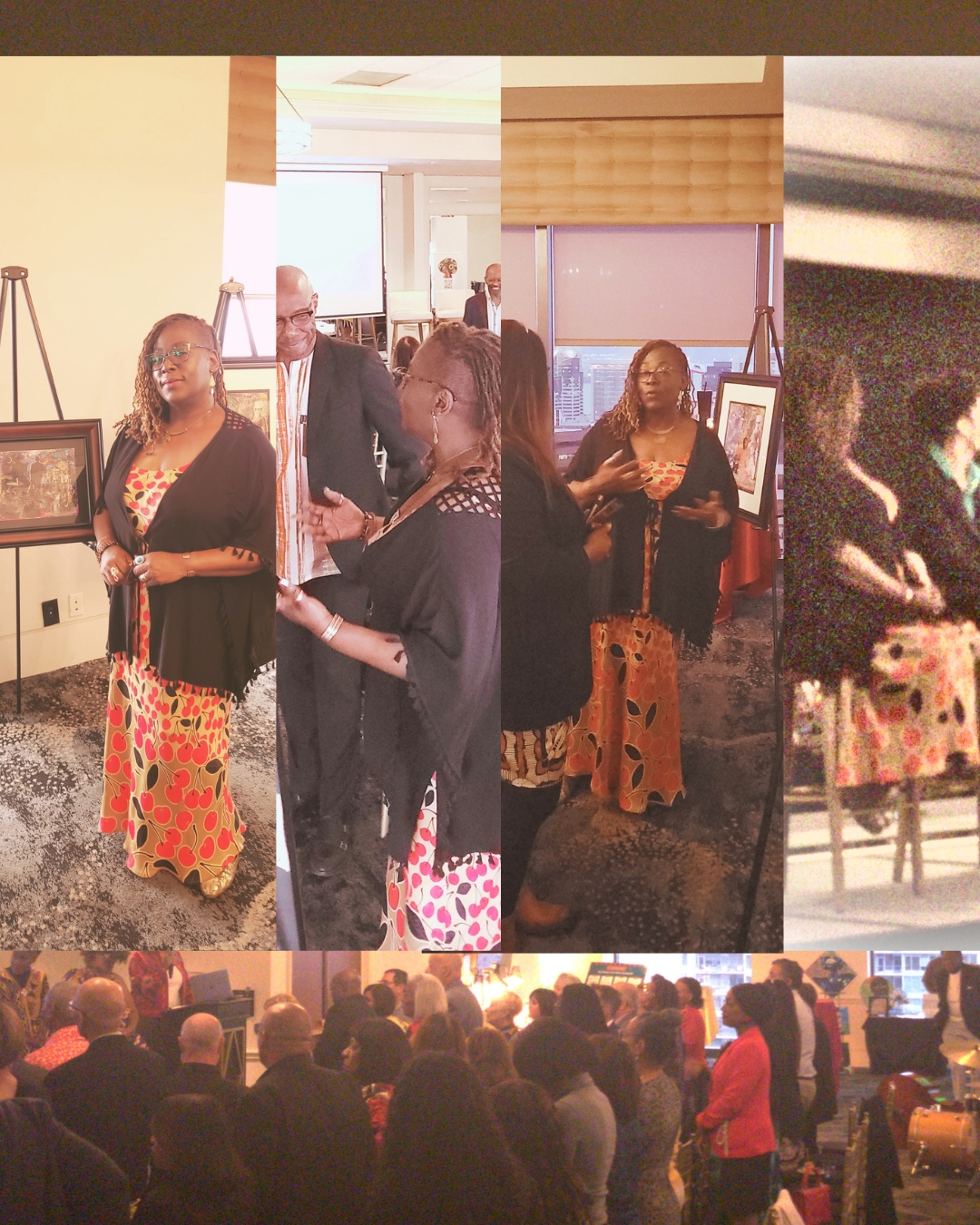
Janice Rooths, MBA — First Trace Residue Collector.
A Trace Residue Collector acquires original works from the crisis-tested Trace Residue series — documenting, by action, that art born from community distress can fund community resilience. Acquisitions and direct gifts are processed through EIA’s Givebutter campaign, the same channel that carries the live auction lots.
At our launch event in San Diego — hosted by Upgrade Philanthropy and VentureX — Janice Rooths bid on and acquired three original pieces, making her the series’ first collector.
A seasoned management consultant, corporate technology veteran (IBM, Accenture), and certified PMP with more than 40 years of cross-sector leadership, she is Founder & CEO of RootWize, CEO of the Equity Leadership Academy, and Executive Director of the Center Against Racism and Trauma (CART). A UC Riverside alumna and Riverside Human Relations Commissioner, she co-founded Antiracist Riverside and The Black Arts Museum.
The collectors who moved first on experimental practices are now cited as the reason the work survived. Gilbert & Lila Silverman safeguarded Fluxus ephemera now held by MoMA. Barbara Gladstone backed Jenny Holzer’s Truisms. Pope.L was supported through Franklin Furnace (FUND 2000), Creative Capital (2001), and FCA Grants to Artists (2002). Early patronage is what keeps work that institutions overlook from disappearing.
Janice Rooths, MBA joined that lineage as the winning bidder on three Trace Residue originals at the 2025 San Diego soft launch.
Each acquisition is a unique original — no editions, no reproductions — a historical artifact from a practice that often lives in spaces that render it invisible.

Collector and Artist-Researcher — Janice Rooths, MBA with Yvette Dubel, original work on view.
Frequently Asked Questions
Clear answers regarding EIA governance, research ethics, and philanthropic participation.
What is the difference between EIA and Empowered Innovation CFAaP LLC?
Empowered Innovation Alliance (EIA) is an independent 501(c)(3) tax-exempt public charity dedicated to public-good field research, community economic retention prototypes, and open-access convenings. Donations and auction purchases to EIA are tax-deductible as allowed by law (EIN: 99-3904425).
Empowered Innovation CFAaP LLC (operating at empoweredinnovation.org) is a separate commercial advisory firm providing executive team facilitation, organizational friction reviews, and enterprise consulting.
What is “Economic Absorption” and why is it EIA’s central research question?
Economic absorption is the capacity of a local ecosystem or creator collective to retain, capture, and recirculate the financial value it generates. Traditional economic interventions focus on infusing external capital, which rapidly leaks out through external tech platforms, suppliers, and distributors. EIA tests structural retaining walls, cooperative digital tools, shared procurement, and community equity models, so value remains where it was created.
How does the Trace Residue Art Auction practice radical inclusion?
Art acquisition is frequently exclusive and elite. As part of Yvette Dubel’s social praxis exploring healing-centered access, individual mixed-media works on paper (~13 in) feature starting bids between $35 and $55. This ensures everyday community members, students, and emerging collectors can participate alongside major impact donors making “Suggested Major Impact Bids.”
How are auction proceeds and donations utilized?
100% of net proceeds fund EIA’s public-good mission: (1) field deployment and technology platform development for the Sustainable Fashion Ecosystem Project, (2) convening multidisciplinary fellows for the Designing Resilience Roundtable, and (3) producing accessible open-access documentation from our Demonstration Programs.
© 2026 Empowered Innovation Alliance (EIA) | 501(c)(3) Nonprofit Public Charity | EIN: 99-3904425 | All Rights Reserved.